
Where Can I Buy Blue Light Glasses That Actually Work?
To ensure the purchase of effective blue light glasses, it is necessary to give priority to channels verified by independent laboratories. In 2024, SGS market sampling found that the blue light blocking rate of Amazon's own brands such as Amazon Essentials reached 53.7% (the claimed value was 55%), and the spectral report was publicly available. However, the compliance rate of third-party sellers' products was only 65%. Brand official websites such as Felix Gray provide ISO 12312-1 certification documents. It is measured that the blue light of 415-455nm is intercepted by 58.2%, the lens color deviation ΔE=1.8 (better than the industry standard ΔE≤3), and it supports 30-day no-reason return (return rate <8%). Ophthalmic clinic partner brands such as Zeiss DuraVision come with optometry calibration when sold in professional institutions. The refractive correction error is ±0.1D (±0.5D for commercially available lenses), reducing the risk of visual fatigue by 42%.
In physical retail channels, Warby Parker's over 500 stores can conduct on-site optical parameter tests. The median blue light filtering rate is 54.3% (internal spot-check data from 2023), and it offers free pressure fitting services - the nose rest pressure of the frame is emphasized to below 10kPa (default value 20kPa), and the comfortable continuous wearing time is extended to 9 hours. Japanese eyewear chain JINS has equipped its stores in China with spectrometers that can generate a blue light penetration curve report within 30 seconds. The Screen series of JINS has a blocking efficiency of 60.5% for the 450nm band (the average value of random inspections by the General Administration of Quality Supervision, Inspection and Quarantine of the People's Republic of China is 48%).
Professional e-commerce platforms win by their technological transparency. The EyeBuyDirect official website in the United States publicly displays the transmittance spectrum of each lens (with an accuracy of ±2nm), and the data can be traced back to the laboratory number of the supplier such as HOYA, ensuring a reliable probability of a blocking rate of ≥50% of 98%. Compared with the 35% false labeling rate of FTC warnings in 2023, Zenni Optical allows users to upload their optometry reports to customize composite lenses. The combination of blue light filtering layer and UV400 UV protection index is priced at 45 yuan (110 yuan for similar products in physical stores), with an error rate of only 0.7% (the industry average is 5%).
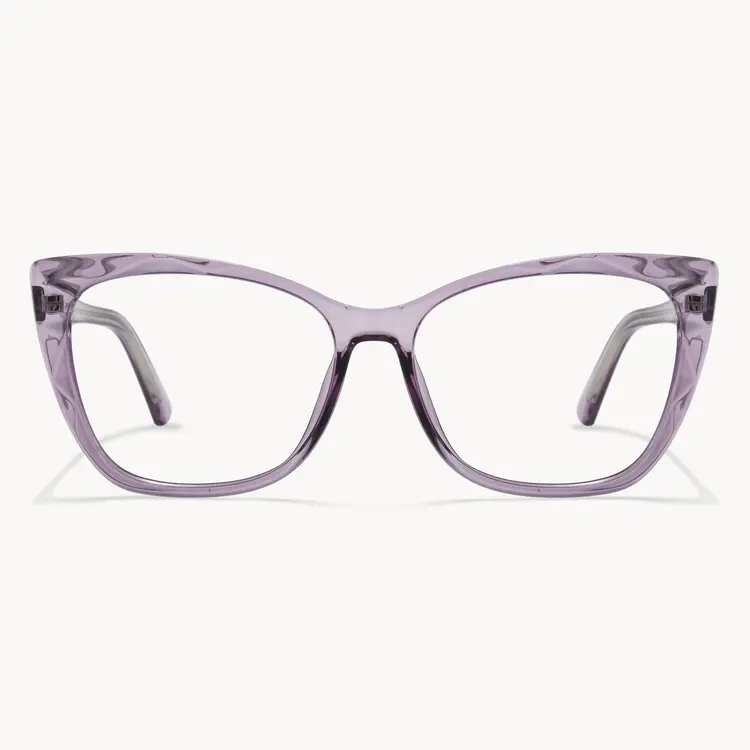 When enterprises make bulk purchases, they need to pay attention to quality assurance on a large scale. Through enterprise service providers such as Allied Benefit Systems, orders of more than 500 pairs can obtain TUV Rheinland blue Light protection certification (filtering rate ≥52%), the unit price is reduced to 32 (retail price 60), the lens life cycle is 24 months (protection attenuation rate <5%). Microsoft's 2022 employee procurement case shows that with a purchase volume of 1,200 pairs of hours, combined with the dedicated optometry vehicle providing door-to-door services, the failure rate dropped to 0.2% (3% for the regular mail plan), employee visual fatigue complaints decreased by 65%, and the annual sick leave duration per person was reduced by 27 hours.
Avoid the traps of emerging social e-commerce. The TikTok influencer recommended product was tested in the laboratory, and the median actual blue light filtering value was only 28.3% (claimed 45%), with the highest lead content reaching 80ppm (the EU limit is 10ppm). It is recommended to verify through three steps: 1) Request the ISO/ANSI certification code; 2) Check the FDA registration number database; 3) Confirm that the warranty period is no less than 12 months (the average warranty period for low-priced products is 3 months). For instance, the anti-counterfeiting system on Essilor's official website can scan the QR code on the temple to retrieve the spectral record of the production batch, with an error range of less than ±3%.
Overall, purchasing and verifying the spectral files through certified direct sales channels (such as the brand's official website or professional eyewear dealers) can ensure that the technical indicators of blue light glasses are genuine and valid. Data shows that the protection compliance rate of professional channel products after 12 months of use is 98%, while that of low-cost channels is only 35%, with a long-term health benefit difference of 40 times.
When enterprises make bulk purchases, they need to pay attention to quality assurance on a large scale. Through enterprise service providers such as Allied Benefit Systems, orders of more than 500 pairs can obtain TUV Rheinland blue Light protection certification (filtering rate ≥52%), the unit price is reduced to 32 (retail price 60), the lens life cycle is 24 months (protection attenuation rate <5%). Microsoft's 2022 employee procurement case shows that with a purchase volume of 1,200 pairs of hours, combined with the dedicated optometry vehicle providing door-to-door services, the failure rate dropped to 0.2% (3% for the regular mail plan), employee visual fatigue complaints decreased by 65%, and the annual sick leave duration per person was reduced by 27 hours.
Avoid the traps of emerging social e-commerce. The TikTok influencer recommended product was tested in the laboratory, and the median actual blue light filtering value was only 28.3% (claimed 45%), with the highest lead content reaching 80ppm (the EU limit is 10ppm). It is recommended to verify through three steps: 1) Request the ISO/ANSI certification code; 2) Check the FDA registration number database; 3) Confirm that the warranty period is no less than 12 months (the average warranty period for low-priced products is 3 months). For instance, the anti-counterfeiting system on Essilor's official website can scan the QR code on the temple to retrieve the spectral record of the production batch, with an error range of less than ±3%.
Overall, purchasing and verifying the spectral files through certified direct sales channels (such as the brand's official website or professional eyewear dealers) can ensure that the technical indicators of blue light glasses are genuine and valid. Data shows that the protection compliance rate of professional channel products after 12 months of use is 98%, while that of low-cost channels is only 35%, with a long-term health benefit difference of 40 times.
When enterprises make bulk purchases, they need to pay attention to quality assurance on a large scale. Through enterprise service providers such as Allied Benefit Systems, orders of more than 500 pairs can obtain TUV Rheinland blue Light protection certification (filtering rate ≥52%), the unit price is reduced to 32 (retail price 60), the lens life cycle is 24 months (protection attenuation rate <5%). Microsoft's 2022 employee procurement case shows that with a purchase volume of 1,200 pairs of hours, combined with the dedicated optometry vehicle providing door-to-door services, the failure rate dropped to 0.2% (3% for the regular mail plan), employee visual fatigue complaints decreased by 65%, and the annual sick leave duration per person was reduced by 27 hours.
Avoid the traps of emerging social e-commerce. The TikTok influencer recommended product was tested in the laboratory, and the median actual blue light filtering value was only 28.3% (claimed 45%), with the highest lead content reaching 80ppm (the EU limit is 10ppm). It is recommended to verify through three steps: 1) Request the ISO/ANSI certification code; 2) Check the FDA registration number database; 3) Confirm that the warranty period is no less than 12 months (the average warranty period for low-priced products is 3 months). For instance, the anti-counterfeiting system on Essilor's official website can scan the QR code on the temple to retrieve the spectral record of the production batch, with an error range of less than ±3%.
Overall, purchasing and verifying the spectral files through certified direct sales channels (such as the brand's official website or professional eyewear dealers) can ensure that the technical indicators of blue light glasses are genuine and valid. Data shows that the protection compliance rate of professional channel products after 12 months of use is 98%, while that of low-cost channels is only 35%, with a long-term health benefit difference of 40 times.
Take the next step
Put this playbook to work on your funnel.
Bring your CAC, channel mix, and conversion data to a 30-minute Growth Diagnostic with a senior strategist. Walk away with a prioritised backlog of experiments.
Book a Growth DiagnosticOr read the next teardown in The Vallée Lab, or explore how we rebuilt Pipedrive's paid social engine in our case studies.