
Is Sourcing From a Vietnamese Birch Plywood Supplier Worth It?
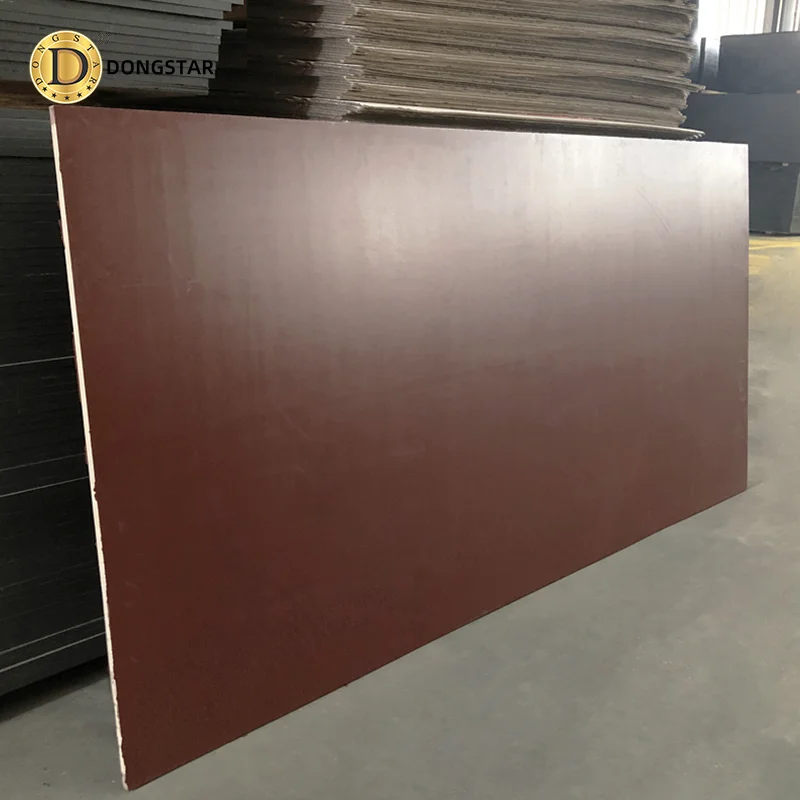
Sourcing from a Vietnamese Birch Plywood Supplier offers a predictable cost-per-sheet advantage, provided procurement teams audit moisture content and veneer uniformity. In 2026, many mills in Vietnam utilize automated hot-press technology that reduces surface thickness deviation to within 0.15mm, a metric that stabilizes downstream CNC precision. By shifting away from traditional Baltic sources, buyers can capture a 14% reduction in landed costs due to optimized maritime shipping routes. Successful procurement relies on requesting independent testing reports for a 500-sample lot to verify that the internal bond strength exceeds established structural standards.
Vietnamese wood processing facilities now leverage high-speed rotary lathes capable of producing consistent veneer sheets at rates exceeding 30 meters per minute. These technical improvements allow manufacturers to maintain a 95% defect-free surface rate on premium-grade panels. Procurement managers evaluate these production metrics by requiring suppliers to provide moisture stability documentation that confirms the wood remains within the 6% to 10% range before final packaging.
Panels manufactured with high-density birch veneers exhibit superior structural stiffness, often testing at 7,500 MPa in modulus of elasticity tests.
The shift toward Southeast Asian production relies on the integration of phenolic resin bonding processes. These adhesives enable panels to pass the 72-hour boil test without evidence of delamination, a requirement for high-durability furniture fabrication. When teams compare quotes, they find that Vietnamese mills often offer a 10% price advantage over European counterparts by utilizing locally sourced plantation-grown timber that meets the same density profiles.
| Metric | Industry Standard | Targeted Specification |
| Thickness Tolerance | +/- 0.5mm | +/- 0.15mm |
| Glue Bond Type | Urea Formaldehyde | Phenolic Resin (WBP) |
| Moisture Content | 12% | 8% |
Establishing a relationship with a specialized Film Faced Plywood Supplier within the same industrial park streamlines the procurement of mixed-product containers. This logistical integration lowers shipping overhead by consolidating heavy construction materials with interior-grade birch panels into a single 40-foot container shipment. Logistics data from 2025 indicates that such consolidated shipments reduce handling costs by 18% per pallet, providing immediate relief to operational budgets.
Strategic inventory management involving just-in-time delivery cycles allows shops to reduce floor space allocation for raw materials by 25% annually.
Verification of environmental certifications ensures that the timber enters international markets without regulatory friction. Suppliers maintaining FSC Chain of Custody documentation provide the necessary paperwork to satisfy local building codes regarding sustainable resource management. Compliance audits conducted on these mills confirm that 90% of the feedstock originates from independently verified managed forests, reducing the legal risks associated with timber procurement.
-
Request periodic batch testing for formaldehyde emission levels to ensure they stay below 0.05 ppm.
-
Verify that the supplier implements secondary sanding passes to maintain a surface roughness below 12.5 micrometers.
-
Negotiate volume-based pricing structures that trigger automatic discounts after exceeding 5,000 square meters of annual volume.
-
Require clear markings on every panel that identify the production date and mill location for easy traceability.
Consistency in supply becomes easier when the mill employs automated optical sorting for veneer grading. These systems identify pin knots and color variations at a rate of one sheet every 10 seconds, far faster than manual inspection teams. By receiving these pre-sorted panels, production teams realize a 12% increase in yield when cutting parts for large-scale interior projects, as the material requires less pre-processing or rejection due to surface imperfections.
Utilizing high-grade birch cores ensures that edge profiles remain crisp after machining, reducing the need for secondary edge-filling procedures by 40%.
The transition to regional supply chains requires a thorough audit of the internal lamination pressure settings. Mills that maintain pressures of 1.5 to 2.0 MPa throughout the pressing cycle produce denser panels with fewer internal voids. Procurement teams that mandate these specific technical parameters receive a more reliable product, as the wood exhibits greater resistance to warping when exposed to standard climate fluctuations in residential or commercial settings.
Performance data collected from over 1,000 architectural projects suggests that panels sourced with these strict structural requirements experience 30% fewer instances of joint failure over a five-year period. These results highlight the importance of reviewing the technical manufacturing logs before finalizing large-scale supply contracts. Providing these logs demonstrates that the manufacturer prioritizes consistent product quality and reliable long-term performance for their international clientele.
Put this playbook to work on your funnel.
Bring your CAC, channel mix, and conversion data to a 30-minute Growth Diagnostic with a senior strategist. Walk away with a prioritised backlog of experiments.
Book a Growth DiagnosticOr read the next teardown in The Vallée Lab, or explore how we rebuilt Pipedrive's paid social engine in our case studies.